There are several characteristics to consider:
You can then look at the main technologies for crushers on the market:
 Language
Jan 04, 2022
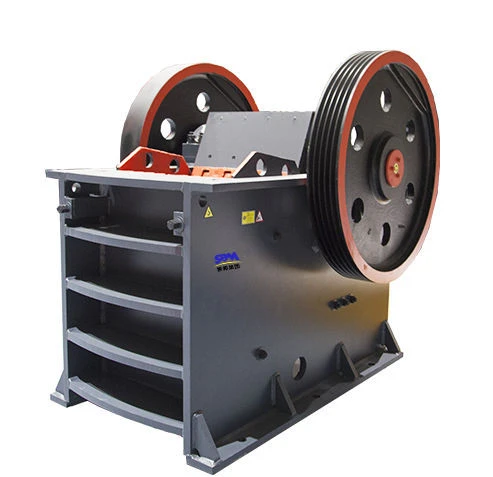
Jaw crushers
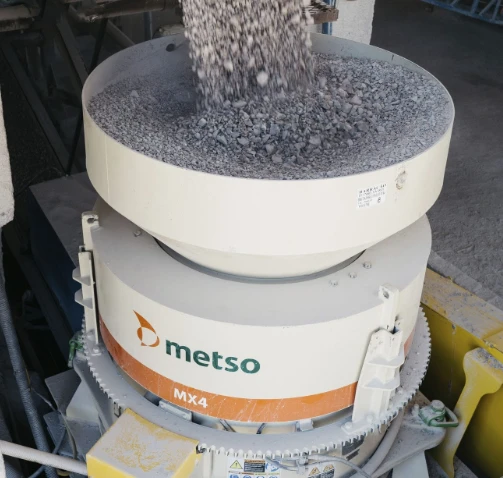
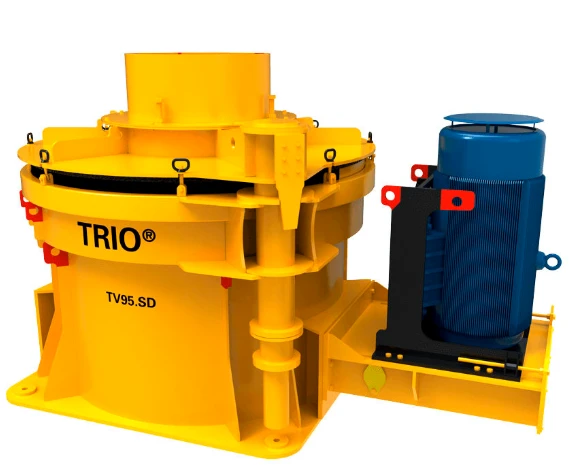
Cone crushers
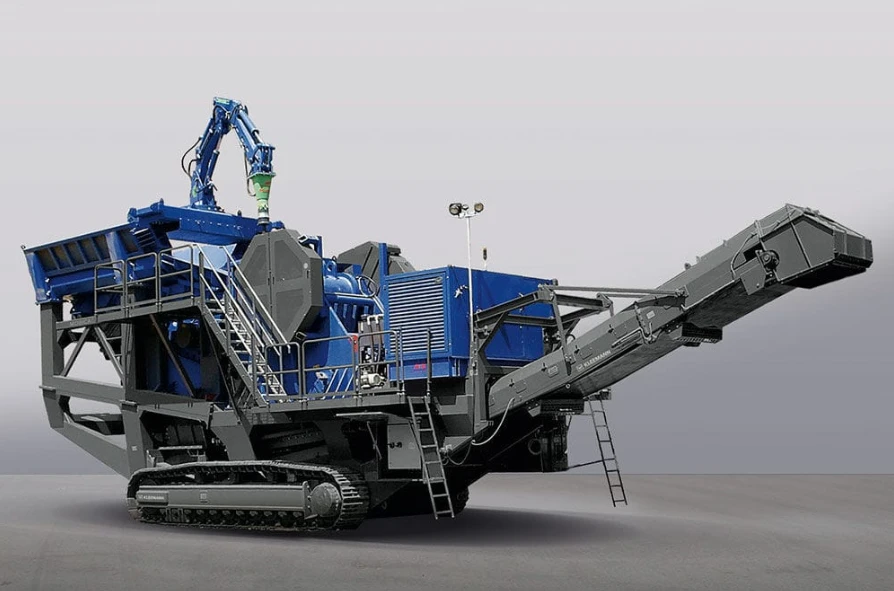
Impact crushers, also known as hammer crushers
The abrasiveness and hardness factor. It is essential to know what material is going to be crushed, in particular its abrasiveness and hardness. You must evaluate the compressive strength or maximum force that the material can withstand before breaking.
The dimensions. You will need to consider the maximum dimensions you need to enter into the machine (length, width and thickness).
Granulometric requirement. It is necessary to define the desired result i.e. the grain size after crushing.
The capacity (throughput). You will need to determine the processing capacity (or throughput) necessary for your use. This is measured in tonnes/hour.
Not suitable for small material requirements (smaller than 150 mm). If a smaller grain size is required it can be used in combination with other crushers.
Not suitable for handling clay or metal mixed with rock.
Low maintenance and operating costs because it has few moving parts
Reduces the raw material to about 150 mm
The cone crusher cannot take material of all sizes. The materials must be pre-dimensioned for the crusher (usually 200 mm or less).
The finished product is not homogeneous, which is an essential requirement for many material specifications.
Not suitable for handling clay or metal mixed with rock.
Sturdy construction
High productivity
Easy adjustment
Low operational costs This type of crusher is equipped with a spring release system that protects it against overloads and allows uncrushable materials to pass through the crushing space without damaging the crusher.
Inexpensive machine
Can only be used to obtain fine finished products
High production capacity
High breakage rate
Low energy consumption
Uniform grain size
Operating costs can be higher.
It can have difficulty breaking small parts, as the crusher’s ability to break blocks is related to the energy accumulated by the stone upon impact with the hammer. This energy therefore depends on the speed of the hammer, but also on the mass of the stone.
Wear of the beaters depends on the matter being crushed.
The impact makes it possible to better control the size of the crushing result, for example better cubic gravel.
Send Inquiry